When Donald Trump
ran against the very Presidential Obama administration,
that he did not look
or sound like a win/win public sector diplomat,
or even commit to expanding healthy democracy,
worked well for him.
His favorite public relations strategy
is to win first place coverage on the evening news
by whatever entertaining means available.
This helped him win the electoral college
playing to a Christian RightWing
and straight white patriarchal-capitalist privileged
left-brain military-industrialized
winner v loser anthropocentrically dominant
Base
Too unenlightened by political leadership
and too disempowered by economic kleptocracy
to care about the unfortunate truth
that we are killing off organically healthy
sacred Earth.
As an inexperienced
entrepreneurially successful entertainer,
a wealthy “self-made” star,
a corporate-savvy business authoritarian
ready for the big disempowering liberals screen
As viewed by those hungry for anyone
who would recite the RightWing mantra
that Right to Life
does not imply
Right to Public/Private Health,
regenerative
cooperative well-being
of all sacred organic LifeSystems
Liberal and conservative
and all multiculturing varieties
of lovers and compassioners,
saints and sinners,
and pleasant peons in between
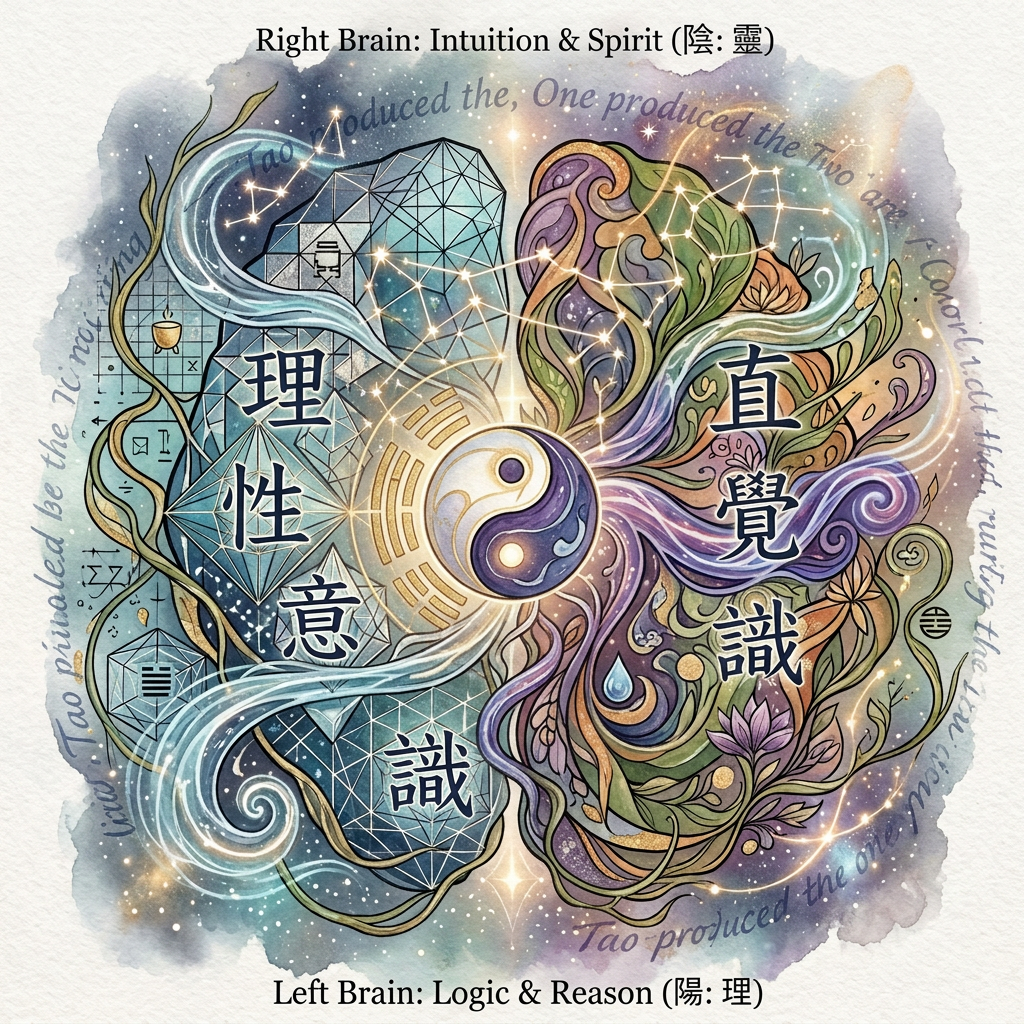
Which is more of a right-brain
interdependent
both/and holistic
Holy Spirit way
of revisioning balanced bicameral life
revisiting mature consciousness
indigenously experienced sentience
co-empowering
co-enlightening
bilateral nonpolarized Truths.
Anyway,
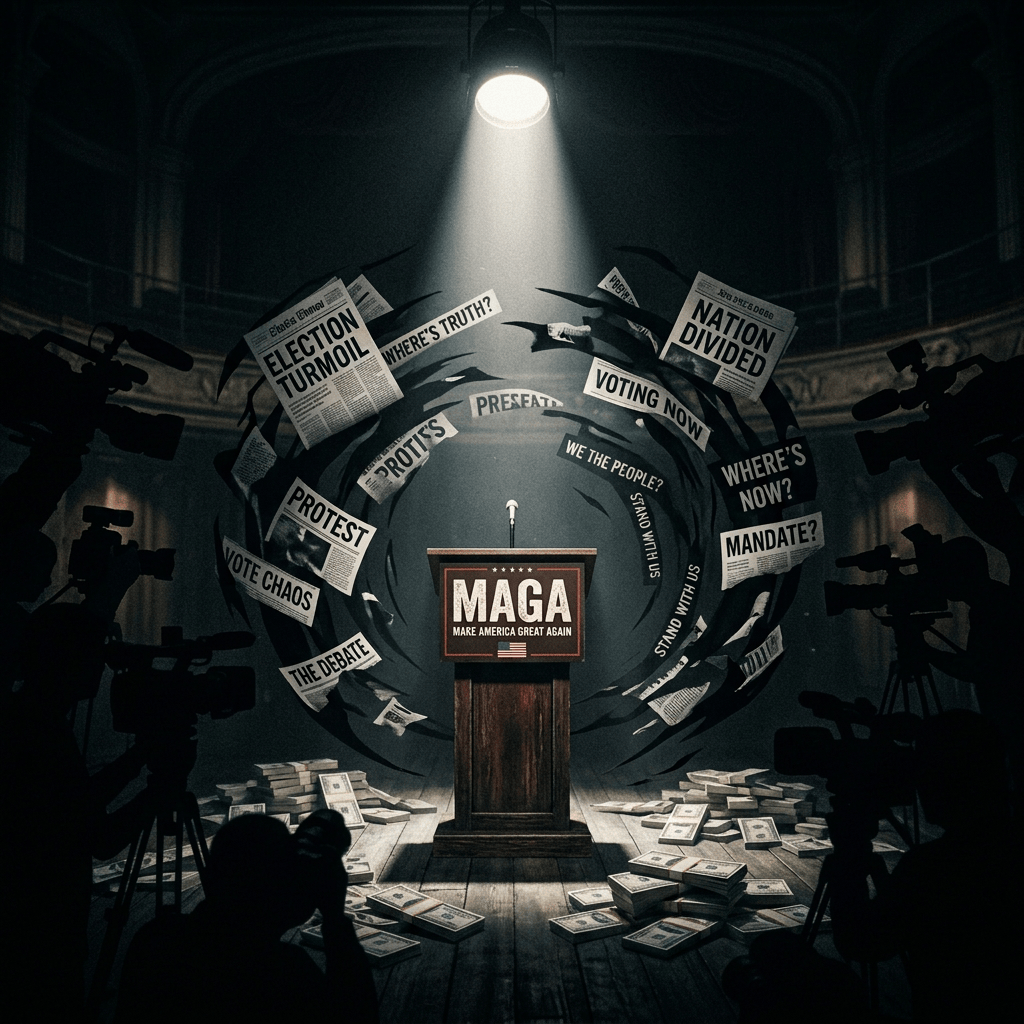
Trump’s strategy
backfires as re-issued
from the White House in 2020
now more than ever
dominating lead story national news
still looking
and resounding
alarmingly unpresidential.
Make America Great Again
by disempowering healthy democracy again
and by Grabbing Earth’s Balls and Tits Again
looks and feels tarnished
swampish,
yet another rich entitled
straight white patriarchal
scumbag politician
anti-intellectual lightweight
living in a powerful mansion
with nothing good to say
for my mental/physical health,
nothing to support healthy family life,
no clue about affordable health care,
denying the biggest crisis of global history,
our international health emergency
and wealth crisis
also known as climate warming
No ideas about empowering multiculturally healthy democracy
rooted in public trust-governed bipartisan win/win systems,
no messages for those seeking mental and physical health,
while bereft of any hope
for resonant ecological
or resilient anthropological
caste transformative safety.
His biggest asset for the 2016 presidential election
is now his deepest
and widest liability
as a Real CoBinary Intelligent Time
bicamerally ecotherapeutic President
Who sounds
and looks
and possibly smells
and touches
and feels democratically health-wealthy
Presidential
Not quite so greasy fast-food swampish,
grabby,
greedy,
narcissistic;
more of a fatuous
fascism evangelizing clown
than a facetious entertainer
Still running against the very Presidential Obama administration,
not looking
or sounding like a win/win public sector leader
expanding healthy democracy
because it doesn’t work
for his self-aggrandizing
narcissistic dementia.